Soya-food South Africa - Importers of the finest quality soya products
Welcome to Soya Foods – South Africa.
We are importers of soy protein in various forms (see Products) for the South African market.
Enjoy our site and feel free to contact us if you have any queries about our products.

To counter the problem of world hunger, the growing of soybeans has been suggested. Not only are soybeans easy to grow and harvest, they will grow pretty much anywhere and produce a lot in a little time. There have been farmers reported to have replaced their entire crop line with soy bean plants. These hardy little plants produce much per harvest, and, as said earlier, can grow in even the most trying terrain.
soy alternative food
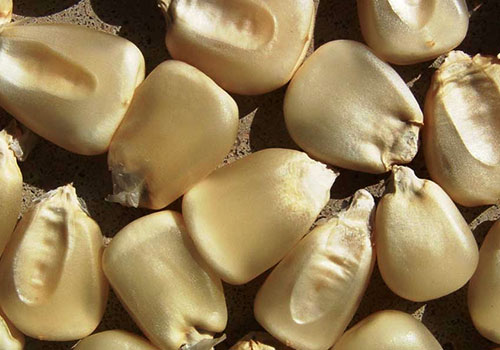
Soy protein is A “Wonder” Food
From reducing the risk of heart disease,helping HIV and AIDS cure, to decreasing a woman’s chance of developing breast cancer to easing hot flashes, soy is being touted as a newly rediscovered “wonder food.”
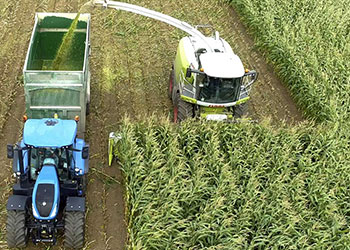
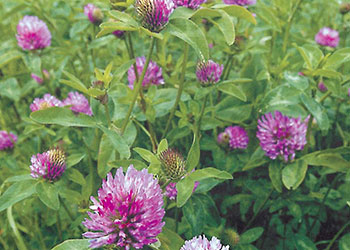
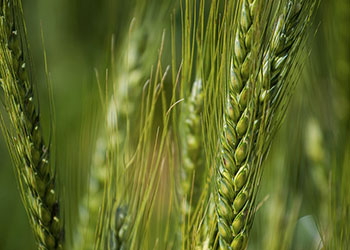
Our Soya Products
All our soy products are certified as Halaal and Kosher. They are not genetically modified in any way and are grown without the use of dangerous pesticides.
About Soya
Soy protein is derived from the soya bean (Glycine max), which has been cultivated in Asia for centuries but has only recently begun to attain wide acceptance Internationally. In the natural product industry, soy has been a staple for years. Recently, soy protein has been recognized as a dietary ingredient that has tremendous potential benefit.
Health Benefits of Soya Protein
Soya and soya-based food products are among the healthiest yet simple foods available. The increasing popularity of soya is mainly attributed to the many health benefits associated with it.
Soya bean has been cultivated and used in different ways for thousands of years. In China, it was considered as one of the holy crops alongside rice, wheat, and barley.
Benefits of Soya
There is no denying that soya has many health benefits. These health benefits are mainly due to the quality of the soy proteins and isoflavones genistein and daidzein.
These are the main health benefits of soya:
Soya improves bone health
Soya products, such as soy milk, do not contain a lot of calcium but the soya isoflavones may help to reduce the osteoporosis risk. Several studies have suggested that soya isoflavones may be a factor in helping to prevent bone loss. The isoflavone genistein seems to inhibit bone breakdown and may have similar effects than estrogens in maintaining bone tissue.
Soya can also indirectly improve bone health. Diets which are high in animal protein cause more calcium to be excreted in the urine. Replacing animal protein with soy protein may help to prevent calcium loss from the bones.
Soya relieves menopausal symptoms
Epidemiological data show that Asian women suffer less from hot flashes and night sweats compared to Western women. These symptoms of menopause are caused by low estrogen levels. Estrogens play a role in the body temperature control. Soya isoflavones can through their estrogen-like effect control these menopausal symptoms.
Soya reduces risk for heart diseases
In countries were soya products are ingested regularly, the rates of cardiovascular diseases is low. Research suggests that soya may help to prevent heart disease by reducing total cholesterol, low density lipoprotein cholesterol and preventing plaque buildup in the arteries, which could lead to stroke or heart attack. These health benefits are also mainly attributes to the soya isoflavones. The soya isoflavone genistein may also increase the flexibility of blood vessels.
Soya helps to prevent certain cancers
Several studies have indicated that a regular intake of soya foods may help to prevent hormone related cancers such as breast cancer, prostate cancer and colon cancer.
Soya is very nutritive
Soya products such as tofu, tempeh and soya milk are very rich in protein. This protein is of very high quality because it contains all essential amino acids. The amino acids of soy combine very well with the amino acids of cereals. The soy protein is therefore very important for vegans.
Soya is a good source of lecithin and vitamin E. These natural antioxidants prevent oxidation of LDL cholesterol. Soya is rich in magnesium, which plays an important function for the bones, heart and arteries.
HIV & AIDS patients
For HIV patients being treated with anti-AIDS medications, resistance to drug therapy regimens is commonplace. Often, patients develop resistance to first-line drug therapies, such as Tenofovir, and are forced to adopt more potent medications. Virologists at the University of Missouri now are testing the next generation of medications that stop HIV from spreading, and are using a molecule related to flavor enhancers found in soy sauce, to develop compounds that are more potent than Tenofovir.
“Patients who are treated for HIV infections with Tenofovir, eventually develop resistance to the drugs that prevent an effective or successful defense against the virus,” said Stefan Sarafianos, associate professor of molecular microbiology and immunology in the University of Missouri School of Medicine, and a virologist at the Bond Life Sciences Center at MU. “EFdA, the molecule we are studying, is less likely to cause resistance in HIV patients because it is more readily activated and is less quickly broken down by the body as similar existing drugs.”
In 2001, a Japanese soy sauce company inadvertently discovered the EFdA molecule while trying to enhance the flavor of their product. The flavor enhancer is part of the family of compounds called “nucleoside analogues” which is very similar to existing drugs for the treatment of HIV and other viruses. EFdA samples were sent for further testing, which confirmed EFdA’s potential usefulness against HIV and started more than a decade of research.
EFdA, along with eight existing HIV drugs, is part of the class of compounds called nucleoside reverse transcriptase inhibitors (NRTIs). NRTIs “hijack” the HIV replicating process by “tricking” building blocks inside the virus. Since EFdA appears similar to those building blocks, the virus is misled into using the imposter, which prevents HIV replication and halts the spread of the virus.
Using a molecule found in soy sauce, Sarafianos and his team are developing compounds that are more potent than Tenofovir, one of the most-used HIV drugs. Credit: Roger Meissen, Bond Life Sciences Center In their latest study, Sarafianos and his colleagues, including researchers from the University of Pittsburgh and the National Institutes of Health, helped define how EFdA works on a molecular level. Using virology techniques and nuclear magnetic resonance spectroscopy (NMR), they pieced together the exact structure and configuration of the molecule. Compounds developed by Sarafianos and his team currently are being tested for usefulness as potential HIV-halting drugs with pharmaceutical company Merck.”The structure of this compound is very important because it is a lock-and-key kind of mechanism that can be recognized by the target,” Sarafianos said. “EFdA works extremely well on HIV that is not resistant to anti-AIDS drugs, it also works even better on HIV that’s become resistant to Tenofovir.”
Grants from the National Institutes of Health funded this research which was published the Journals Retrovirology, Antimicrobial Agents and Chemotherapy and The International Journal of Pharmaceutics.
SOYA and Cholesterol
Cholesterol is a soft fatty substance. Cholesterol does not dissolve well in water. This weak ability of cholesterol to dissolve in water is a major factor in the development of atherosclerosis. The body gets cholesterol the food but it is also produced by the body. Cholesterol is mainly produced in the liver, but also in the adrenal glands and reproductive organs. Cholesterol is a necessary component of your body cells and is a building material for hormones such as estrogen and testosterone. Cholesterol can cause problems when high levels in the bloodstream are present. These high levels lead to hardening of the arteries, coronary heart disease and other vascular disease problems. When cholesterol is measured in the blood 3 cholesterol levels are determined: LDL-cholesterol (bad cholesterol), HDL-cholesterol (good cholesterol) and triglycerides.
LDL-cholesterol or “bad cholesterol” has the property to build up plaque on the inner walls of the arteries which feed the heart and brain. Together with other substances the LDL-cholesterol forms a plaque that can clog the arteries. HDL-cholesterol or “good cholesterol” carries cholesterol away from the bloodstream and back to the liver thereby decreasing the risk of plaque build-up.
Triglycerides are the normal fats. Blood triglyceride may also play a role in forming plaque.
Soya products help to control the cholesterol level because:
* soya is cholesterol-free
* the soya proteins reduce the cholesterol level
* most of the fats in soya products are poly-unsaturated
* soya isoflavones prevent atherosclerosis
* soya contains soluble fibers which reduces the amount of cholesterol circulating in the blood.
It is known that in countries were traditional soy products are consumed daily, the rates of cardiovascular diseases are low. There is some research that suggests that soy foods may help to prevent heart disease by reducing total cholesterol, low density lipoprotein cholesterol, blood pressure and possibly preventing plaque build-up in the arteries (atherosclerosis). Before the age of 60, man have more problems than women with their cholesterol levels. After menopause, when the production of natural estrogens drops, cholesterol levels in women will go up and the women become more susceptible to heart attacks. The soy isoflavones have a weak estrogen activity which is large enough to help reduce the cholesterol levels.
SOYA as a Dairy Alternative:
Medical reasons: allergy to milk proteins or lactose intolerance
Health reasons: positive health effects of soya.
Our nutritional education in school taught us that dairy products are one of the four basic food groups we all need for proper nutrition.
This promotion has been so effective that it is common for even people who give up meat to still feel that they should continue consuming dairy products to ensure they receive sufficient protein or calcium.
Despite what the dairy industry has led us to believe, many medical doctors and nutritionists are now saying that cow’s milk is not healthy for human consumption, and that it can lead to many serious diseases.
Not only are we the only species to consume another species’ milk, but cow’s milk is meant to foster rapid growth in calves, not to feed adult human beings.
It's all about healthy protein alternatives ...
To counter the problem of world hunger, the growing of soybeans has been suggested. Not only are soybeans easy to grow and harvest, they will grow pretty much anywhere and produce a lot in a little time. There have been farmers reported to have replaced their entire crop line with soy bean plants. These hardy little plants produce much per harvest, and, as said earlier, can grow in even the most trying terrain.
Soya Protein Concentrate utilizes a unique manufacturing process to provide an 80%+ concentrated protein ingredient, without hexane solvents, making it a truly “natural” soy ingredient.
The Great Substitute:
Soya is low in fat and can be used to substitute most protein sources. When cooking, you may use soy substitutes instead of flour for a low fat alternative. This makes it a great protein source for those that are looking to lose weight without compromising their protein requirements.
Bodybuilders are considering how this can make their jobs a lot easier. Without the fat and with all the protein goodness – easily digestible at that – bodybuilding has just received a great blessing of a food.
Although these bodybuilders are currently debating how soy can be a help to bodybuilders, it doesn’t’t take away anything from what soy can contribute to the overall health of a person.
It is advisable to stick to natural protein rather than processes protein if possible, as processed foods typically have some risk attached to them. The best use of this food can be attributed to how it perfectly fits into anyone’s low-fat, high-protein diet.
Soy products can be incorporated into shakes and drinks. And being lactose-free, lactose intolerant people will still be able to get their milkshake fix without having to suffer so.
Soya products are also a great source of other nutrients such as saponins, isoflavones, and phytosterol. Saponins help support a healthy immune system. It also combines with cholesterol to avoid increased absorption of cholesterol in the body. Phytosterols also help reduce the absorption of cholesterol in the body in the same way saponins do.
Isoflavones are powerful antioxidants and prevent the effects of free radicals in the body. They prevent many of the signs of aging and have been known to help prevent cancer. This alone makes soy a miracle protein source in its own right.
Isoflavones, along with vitamins A,C, and E are among the front liners in the fight against such disease – they also counter the effects of pollution, and stress.